
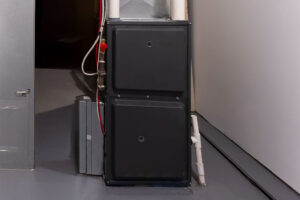
If your furnace is making strange noises, the first step is to identify the sound, because rattling, banging, humming, and whistling each point to a different problem. Start by checking the air filter and confirming your vents are open, since simple airflow issues cause many common noises. If the sound is loud, persistent, or paired with weaker heating, it is time to bring in a professional. Below, our team explains what each noise means and what to do next.
What Do Common Furnace Noises Mean?
Each type of furnace noise usually points to a specific cause. Learning to read the sounds helps you catch a problem early.
A rattling noise often means loose components, while a steady humming can suggest an electrical issue. Banging usually points to expanding ductwork or debris caught in the blower. A constant whistling frequently indicates a leak somewhere in the air ducts.
These sounds are your furnace’s way of signaling that something needs attention, so they should not be ignored. As the team providing heating services in Pompton Lakes, NJ, we hear these noises often and know what each one usually means. Identifying them early can prevent a small issue from growing into a major one, and prompt professional heating repair keeps your system running safely through the coldest Pompton Lakes nights.
When Should You Worry About a Furnace Noise?
You should worry when the noise is loud, persistent, or paired with a drop in performance. Not every sound is a cause for alarm, so pay attention to the type and intensity first.
A low hum is often normal, but banging or high-pitched screeching is a clear red flag. Consider how long the sound lasts, too, since persistent or escalating noises usually mean something is wrong. Next, notice whether the noise lines up with a change in performance. If your furnace is struggling to hold temperature and making strange sounds, it is time to act.
Finally, trust your instincts. If something feels off, it is worth investigating, because ignoring an unusual noise tends to lead to a bigger problem and, sometimes, the need for a heating system replacement that earlier attention could have avoided.
What Can You Check When Your Furnace Is Noisy?
A few safe checks can resolve the most basic noise issues. Start with the furnace filter, since a dirty filter restricts airflow and causes unusual sounds. If it is clogged, replace it.
Next, confirm that all vents are open and unobstructed, because blocked vents create pressure that leads to noise. Listen for any loose screws or panels as well, since tightening them often eliminates a rattle.
If you hear a grinding noise, that can signal a problem with the blower motor, so turn the furnace off right away to prevent further damage. Resetting the thermostat sometimes helps if the system is behaving erratically. When these simple checks do not solve the problem, our emergency service team can step in before a minor noise becomes a no-heat emergency.
When Do You Need an Expert From Titanium Plumbing & Heating?
Certain signs mean it is time to stop troubleshooting and call an expert. Recognizing them early saves you time and money.
- Persistent unusual noises: Banging, screeching, or rattling that will not stop usually indicates a serious issue.
- Inconsistent heating: When some rooms stay warm while others are cold, your furnace may not be working properly.
- Frequent breakdowns: A furnace that needs constant repairs is a sign to consult a professional about whether replacement makes more sense.
When any of these appear, a professional inspection is the safest path. Proper diagnosis and installation are what keep a heating system running safely and efficiently for the long term.
How Can You Keep Your Furnace Running Smoothly?
Consistent maintenance is the best way to avoid the noises that signal trouble. Change the air filter regularly, since doing so every one to three months greatly improves efficiency.
Schedule annual maintenance with a qualified technician so any developing issue is caught early. Keep the area around the furnace clear of debris to promote proper airflow, and check your thermostat settings periodically to maintain consistent temperatures.
Finally, do not ignore unusual noises. Jotting them down and mentioning them at your maintenance appointment helps a technician pinpoint the cause faster. A little routine care goes a long way in the older homes throughout Pompton Lakes, where furnaces work hard all winter.
Keeping Your Pompton Lakes Home Warm All Winter
A furnace making strange noises does not have to turn into a full winter emergency. By learning what the sounds mean and acting before they escalate, you can keep your home warm and comfortable all season.
Staying proactive and knowing when to call for help is what protects both your comfort and your heating system. If your furnace is telling you something is wrong, contact our team today and we will get to the bottom of it.
Frequently Asked Questions
Is it safe to keep running my furnace if it is making noise?
It depends on the noise. A soft hum is usually fine, but grinding, banging, or screeching means you should turn the furnace off and have it inspected, since running it can cause further damage or create a safety risk. When in doubt, shut it down and call a professional rather than risk a bigger repair.
Why does my furnace make a loud bang when it turns on?
A loud bang at startup often points to delayed gas ignition or expanding ductwork. Delayed ignition is a safety concern, because gas builds up briefly before igniting all at once. If the bang is loud or happening every cycle, have it inspected promptly rather than waiting.
How often should I replace my furnace filter?
Most furnace filters should be replaced every one to three months, depending on the filter type and how hard your system runs. During the cold Pompton Lakes winter, when the furnace runs constantly, checking it monthly is a good habit. A clean filter improves airflow, reduces noise, and helps the system run efficiently.
When should I replace my furnace instead of repairing it?
Replacement usually makes sense when a furnace is more than 15 years old, needs frequent repairs, or can no longer heat your home evenly. At that point, ongoing repair costs often outweigh the value of the aging system. A professional can assess whether repair or replacement is the smarter investment for your home.