
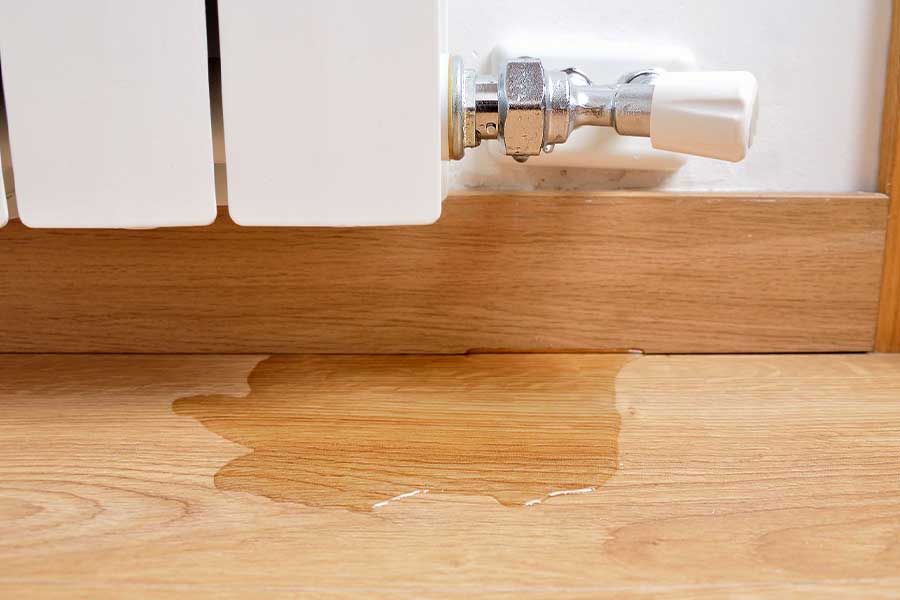
A hidden water leak announces itself in small ways first: a water bill that jumps with no change in use, damp spots on walls or floors, a musty smell, or running water you can hear with every tap closed. Bathrooms, kitchens, basements, and crawl spaces are where these leaks hide. Acting fast is what prevents mold and structural damage.
Titanium Plumbing & Heating is licensed, bonded, and insured, with same-day appointments and weekend availability across Oakland and the surrounding towns.
Key Points
- An unexplained rise in the water bill is the most reliable early sign of a hidden water leak.
- Damp spots, musty smells, peeling paint, and running water you cannot see are the other main indicators.
- Bathrooms, kitchens, basements and crawl spaces, and underground service lines are the four usual locations.
- The water meter test confirms a leak in about fifteen minutes with no tools.
- The EPA estimates the average home wastes over 9,300 gallons a year to leaks.
What Are the Signs of a Hidden Water Leak?
The clearest sign of a hidden water leak is an unexplained increase in your water bill. In our work throughout Oakland, a sudden spike with no change in usage is the first red flag worth investigating.
Damp spots on walls, ceilings, or floors are the next indicator, since they point to water escaping behind a surface. Mold or mildew growth is a related warning that should never be ignored.
You may also hear running water with no taps on, which usually means water is moving through a line it should not be. Peeling paint or bubbling wallpaper signals the same moisture problem. Catching these early separates a quick fix from a major repair, and it is what our plumbers across Oakland are called out to diagnose.
Where Do Water Leaks Most Often Happen in Oakland Homes?
Most hidden leaks start in one of four places. Knowing where to look helps you catch the problem before it spreads.
- Bathrooms. Leaks form around toilets, sinks, and bathtubs, where a small steady drip causes significant damage over time.
- Kitchens. Check under the sink and around dishwashers and refrigerators, where moisture builds unnoticed.
- Basements and crawl spaces. These are easy to overlook, and with Oakland’s high water table near the Ramapo River, dampness is common. Persistent moisture can point to a hidden leak, and a sewer line camera inspection locates the source without opening anything up.
- Underground service lines and slabs. A leak in the buried line between the meter and the house, or under a concrete slab, shows on the bill long before it shows indoors. An unusually green or soggy patch of lawn over the line is often the only visible clue.
How Do You Run the Water Meter Test?
The water meter test confirms a leak without any tools. It takes about fifteen minutes.
- Turn off every water fixture and appliance in the house, including ice makers and irrigation.
- Find the water meter and note the reading, or watch the low-flow indicator dial.
- Wait fifteen minutes without using any water.
- Read the meter again. Any movement means water is leaving the system somewhere.
If the meter moved, the next question is whether the leak sits inside or outside the house. Closing the main shutoff valve and repeating the test answers it. A meter that keeps moving with the main closed points to the buried service line.
What Happens If You Ignore a Hidden Water Leak?
Ignoring a hidden leak leads to bigger and more expensive problems. Water damage compromises structural integrity and creates the damp conditions mold needs, which carries real health risk for your household.
Unaddressed leaks also drive up water bills month after month with no obvious cause. The EPA estimates that the average home wastes more than 9,300 gallons a year to household leaks, and that fixing common leaks can save homeowners about ten percent on their water bills.
Leaks also ruin belongings and create conditions pests favor. The longer one goes untreated, the more likely you are to face repairs that were avoidable. Same-day emergency plumbing help keeps an active leak from becoming a whole-home problem.
Does Homeowners Insurance Cover a Hidden Water Leak?
Coverage depends on the policy and on what caused the damage. Many policies treat sudden and accidental water damage differently from damage that developed slowly over months, and the second category is where claims are most often reduced or denied.
That distinction is the practical reason to act on the early signs rather than wait. A leak addressed when the bill first jumps is a repair. The same leak found a year later is a repair plus the damage around it, and the slow-developing framing is exactly what insurers scrutinize.
Read your own policy or call your agent before assuming either way. Documenting when you first noticed the problem and what you did about it helps whichever direction the claim goes.
What Should You Do If You Suspect a Water Leak?
Act quickly to limit the damage. Start by trying to locate the source, checking under sinks, around appliances, and in the basement. Then run the meter test above.
Documenting any stains, warping, or mold helps us diagnose faster once we arrive. Before we get there, a few steps make a real difference.
- Shut off the main water supply to stop further damage.
- Take photos of the leak and any affected areas.
- Call a licensed plumber to assess the situation and recommend the right repair.
How Titanium Plumbing & Heating Finds and Repairs Leaks
Professional detection is what makes the difference with a hidden water leak. Our licensed team pinpoints leaks using advanced equipment, so we find the source without invasive digging or guesswork.
Leaks only worsen with time, which is why we offer same-day appointments and emergency service. Once we locate the problem, we walk you through the options with upfront pricing and no surprises.
Because our service vans arrive fully stocked, we can often complete professional water leak repair on the spot, which saves a second visit.
Protecting Your Oakland Home from Hidden Leaks
A hidden water leak rarely resolves itself, and small damp spots have a way of becoming major expenses. Staying alert to the early signs is what keeps a minor drip from becoming a flooded basement.
If you have noticed any of the signs above, or you want peace of mind before the next big storm rolls off the Ramapo Mountains, get in touch with our team and we will help you protect your home.
Frequently Asked Questions
How can I tell if I have a hidden water leak in my Oakland home?
The most common signs are an unexplained rise in your water bill, damp or discolored spots on walls and floors, a musty smell, and running water you can hear with everything turned off. Given Oakland’s high water table, basements and crawl spaces are especially worth checking. The meter test confirms it in about fifteen minutes.
Is a hidden water leak a plumbing emergency?
An active leak causing flooding, soaking drywall, or threatening electrical systems should be treated as an emergency. Shut off your main water supply and call for same-day service right away. Smaller slow leaks are less urgent but still need prompt attention before they cause mold or structural damage.
How do plumbers find a leak without tearing up my walls?
Professionals use non-invasive tools such as acoustic listening equipment and video camera inspection to trace lines and locate the exact source. That means pinpointing the problem without cutting into walls or digging up floors unnecessarily. It saves time, limits mess, and keeps repair costs down.
How much damage can a small water leak really cause?
Even a slow drip causes serious damage over weeks or months, weakening framing, ruining finishes, and feeding mold growth. Because many leaks stay hidden until the damage is visible, the repair bill is often far larger than it would have been with early detection. Catching leaks early is always the cheaper path.