
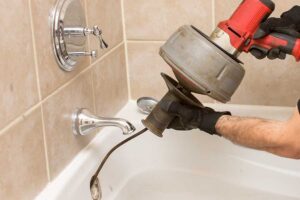
Slow drains in Paramus, NJ, are usually caused by hair, food debris, grease, or mineral buildup from hard water, and minor cases can often be cleared at home. When drains stay slow after basic efforts, or when several drains slow down at once, that points to a deeper problem that needs a professional. The key is knowing where the line falls between a simple fix and a job for an expert. Here is how to tell the difference and protect your plumbing in the process.
What Causes Slow Drains in Paramus Homes?
Slow drains almost always trace back to a buildup inside the pipe. Hair is one of the biggest offenders, collecting in bathroom sinks and tubs over time.
Food debris often clogs kitchen sinks, especially when the wrong items go down the disposal. Grease is another common enemy, since it hardens inside pipes and creates stubborn blockages. Mineral buildup from the hard water common across Paramus can also narrow pipes gradually, restricting flow.
Tree roots can invade underground pipes and cause significant obstruction, and a damaged or misaligned pipe may let water pool instead of flow. Recognizing these causes helps you see that even a minor slow drain can signal a larger issue. Regular professional drain cleaning is one of the best ways to keep your whole system healthy, and it is a service the plumbers Paramus homeowners trust provide year-round.
When Can You Handle a Slow Drain Yourself?
Some minor slow drains are safe to handle on your own, and doing so can save time. The trick is knowing which situations qualify.
- Minor clogs: If water drains slowly but is not fully blocked, a plunger or drain snake can often clear it.
- Regular maintenance: Flushing drains with a mixture of baking soda and vinegar once a month helps keep them clear.
- Visible debris: If you can see hair or food particles near the drain, removing them by hand or with a tool usually resolves the issue.
One word of caution from experience: harsh store-bought chemical cleaners can corrode pipes and often only push a clog further down the line, so use them sparingly if at all. When a clog resists these simple steps, it is time to stop and call a professional rather than risk damaging your pipes.
What Are the Signs It’s Time to Call a Professional Plumber?
The clearest sign is a slow drain that keeps coming back no matter what you try. Persistent slowness usually means the real problem is deeper in the system.
Pay attention to unusual odors or gurgling sounds, which can indicate a deeper blockage or a venting issue. If several drains are slow at the same time, that often points to a main line problem that requires professional equipment. When plunging and cleaners have not worked, continuing on your own tends to do more harm than good.
Water backups or leaks can cause real damage and even health hazards, so they should never be ignored. A licensed plumber resolves the issue correctly the first time, and for urgent situations, an emergency plumber is available when you need one most.
How Titanium Plumbing & Heating Can Help
When DIY fixes fall short, our team handles the stubborn clogs that simple tools cannot. We specialize in getting drains flowing again quickly and correctly.
When you call us, you can expect emergency service available day or night, same-day appointments that minimize the inconvenience, and fully stocked service vans that carry the tools to resolve the issue on the spot. You will also get transparent, upfront pricing with financing options available.
For lines choked with grease or years of mineral buildup, powerful hydro jetting clears the pipe completely and restores full flow. We take pride in dependable craftsmanship, so you can get back to your day with your plumbing running smoothly.
How Can You Keep Your Drains Clear?
The best way to avoid slow drains is a handful of simple habits. Start by never pouring grease or oil down the sink; let it cool and throw it in the trash instead.
Flushing your drains with baking soda and vinegar now and then helps break down early buildup. Be mindful of what goes down the toilet, and only flush human waste and toilet paper. Installing drain screens catches hair and debris before it can form a clog.
Finally, schedule regular inspections with a professional service. An expert eye can spot a developing problem before it turns into a backup, which is especially valuable in the busy households near Route 4 and Route 17 where the plumbing rarely gets a break.
Keeping Paramus Drains Flowing Freely
While it is tempting to tackle every slow drain yourself, the real skill is recognizing when a problem is bigger than a plunger can fix. Minor clogs are fair game, but persistent or widespread slowness is a sign to bring in a professional before a small issue becomes a costly repair.
Staying ahead of drain problems keeps your whole plumbing system healthy. If your drains are not flowing the way they should, get in touch with our team, and we will help you get them back on track.
Frequently Asked Questions
Why are all the drains in my Paramus home slow at once?
When multiple drains slow down at the same time, the problem is usually in the main sewer line rather than any single fixture. Common causes include a deep clog, grease buildup, or tree root intrusion in the main line. This situation calls for professional equipment, since a household plunger or snake cannot reach or clear it.
Are chemical drain cleaners safe to use?
Harsh chemical drain cleaners are best avoided, because they can corrode pipes over time and often only relocate a clog rather than remove it. They also pose a risk to your skin and eyes. A plunger, a drain snake, or a baking soda and vinegar flush is safer for minor clogs, and stubborn blockages are better handled professionally.
How often should I have my drains professionally cleaned?
For most Paramus homes, a professional drain cleaning every year or two is a good rule of thumb. Homes with heavy use, older pipes, or a history of clogs may benefit from more frequent service. Regular cleaning prevents the gradual buildup that leads to slow drains and backups.
Does hard water really affect my drains?
Yes. The hard water common in the Paramus area leaves mineral deposits that build up inside pipes over time and gradually narrow the flow. This makes drains more prone to slowing and clogging. Periodic professional cleaning, and in some cases a water softener, helps counter the effect.