

Imagine your boiler as the heart of your home; when it falters, the entire system can be at risk. It’s crucial to recognize the signs of a boiler emergency before it spirals out of control. Knowing how to act quickly and safely can save you time, money, and stress. So, what should you do when your boiler starts acting up? Let’s explore the crucial steps every Dumont homeowner should take.
If you’re in Dumont, NJ, and need expert help, check out our local boiler repair and heating services for fast, reliable support tailored to your area.
Identify the Signs of a Boiler Emergency
How can you tell if your boiler is in trouble? You’ll want to watch for a few critical signs.
First, check for unusual noises like banging, gurgling, or hissing—these often indicate internal issues. If you notice a drop in pressure on the gauge, that’s another red flag.
Additionally, keep an eye on your heating; if some rooms are chilly while others are warm, your boiler mightn’t be functioning properly. Look for leaks or water pooling around the boiler; this can signal a serious problem.
Finally, a sudden increase in your energy bills may mean your boiler is working harder than it should. If you spot any of these signs, it’s time to take action. Don’t wait until it’s too late; addressing issues early can prevent costly repairs and guarantee your home stays warm and comfortable.
Turn Off the Boiler Immediately
When you notice a boiler emergency, your first step is to turn off the boiler immediately for safety.
Locate the power switch and shut it down right away.
If your boiler runs on gas, make sure to identify and turn off the gas valve as well. Additionally, seeking professional assistance from licensed experts in boiler installation and replacement can help ensure your boiler is safely and effectively repaired.
Safety First
What should you do in an emergency boiler situation? Safety should always come first.
If you notice unusual sounds, leaking water, or a burning smell, turn off the boiler immediately. This action prevents further damage and reduces the risk of injury.
Make certain you know the boiler’s power source, whether it’s gas or electric, and take the appropriate steps to shut it down safely.
Avoid attempting any repairs on your own; instead, contact a licensed professional, like Titanium Plumbing & Heating, to handle the situation. They’re available for emergency services and can quickly assess the problem.
Locate Power Switch
Where’s the power switch for your boiler? It’s essential to locate it immediately during an emergency.
Typically, the switch is near the boiler itself or on a wall nearby. Look for a red or labelled switch, as it’s often designed to stand out.
Once you find it, turn off the power to the boiler right away. This step prevents further damage and guarantees your safety from potential hazards, such as electrical shocks or fire risks.
Remember, if you’re unsure or can’t find the switch, don’t hesitate to call a professional. They can help you quickly and safely.
Staying calm and acting swiftly can make all the difference when dealing with a boiler emergency.
Identify Gas Valve
After you’ve located the power switch and turned it off, the next step is to identify the gas valve connected to your boiler.
This valve is typically positioned near the boiler itself, either on the gas line or attached to the unit. It’s essential to know its location because if you smell gas or notice a leak, you’ll want to shut it off immediately.
To turn off the gas valve, simply rotate it clockwise until it’s perpendicular to the gas line. Always make sure you handle this with caution.
If you’re unsure or uncomfortable, don’t hesitate to call a professional like Titanium Plumbing & Heating for assistance. They’re available for emergency services and can help you safely manage the situation.
Check for Leaks and Water Damage
As you assess your boiler during an emergency, it’s vital to check for leaks and any signs of water damage. This step can prevent further issues and costly repairs.
Look for areas where water might be pooling or dripping, and inspect the surrounding surfaces for stains or discoloration. Here are three key points to take into account:
- Inspect Pipes and Connections: Look closely at all visible pipes and fittings for any signs of moisture or corrosion.
- Check the Boiler Base: Verify there aren’t puddles forming at the base of the boiler, which could indicate a leak.
- Examine Surrounding Areas: Don’t forget to check nearby walls and floors for water damage, which might signal a leak you can’t see.
If you find any issues, it’s vital to contact a professional like Titanium Plumbing & Heating for immediate assistance.
Assess the Pressure and Temperature Levels
Maintaining the right pressure and temperature levels in your boiler is essential for its efficient operation. First, check the pressure gauge; it should typically range between 1 and 2 bars. If it’s too low, your system may not heat effectively, while excessive pressure can lead to dangerous malfunctions. Adjust the pressure by adding or removing water from the system as needed.
Next, monitor the temperature settings. Your boiler should ideally operate between 180°F and 200°F. If the temperature is too low, your home may not receive adequate heat; if it’s too high, you risk overheating and potential damage.
You should also listen for unusual sounds or notice any warning lights on the control panel, as these could indicate pressure or temperature issues. Regularly evaluating these levels can prevent significant emergencies and guarantee your boiler runs smoothly.
For fast, local help with boiler issues, rely on emergency boiler repair and rapid response services from trusted experts in your area.
Inspect the Boiler’s Power Supply
Before diving into any troubleshooting, it’s crucial to guarantee your boiler’s power supply is functioning properly. A lack of power can lead to unnecessary panic and delays.
Here’s what you need to check:
- Inspect the Power Source: Confirm that your boiler is plugged in or connected to a reliable power source. Sometimes, a blown fuse or tripped circuit breaker can be the culprit.
- Examine the Thermostat: Verify the thermostat is set to the desired temperature and is functioning correctly. A malfunctioning thermostat may prevent the boiler from receiving power.
- Check for Error Codes: If your boiler has a digital display, look for any error codes. Refer to the user manual for guidance on what those codes mean and how to address them.
Clear Any Blockages in Vents or Pipes
If your boiler isn’t working right, check for blockages in the vents and pipes.
Confirm ventilation pathways are clear and remove any debris that might be hindering airflow.
This simple step can make a big difference in restoring your boiler’s efficiency.
Inspect Ventilation Pathways
To guarantee your boiler operates efficiently, it’s crucial to inspect ventilation pathways regularly. Blockages in vents or pipes can lead to poor performance and safety hazards.
Here’s how to ensure your ventilation is clear:
- Check for Physical Obstructions: Look for debris, snow, or anything that might block the vent openings outside your home.
- Inspect Internal Venting: Examine the pipes leading to and from your boiler for any signs of corrosion or buildup that could restrict airflow.
- Test Airflow: Turn on your boiler and feel for consistent airflow at the vents to confirm they’re functioning properly.
Remove Debris From Pipes
Removing debris from pipes is vital for maintaining your boiler’s efficiency and safety. Over time, dirt, grease, and other blockages can build up in your boiler’s vents and pipes, leading to reduced performance or even dangerous malfunctions.
To clear any obstructions, start by checking the visible pipes for any obvious debris. If you notice any blockages, use a wet/dry vacuum or a plumbing snake to remove them carefully.
Don’t forget to inspect your boiler’s air intake and exhaust vents, as they’re essential for proper airflow. If you’re unsure or the blockage seems severe, it’s best to call in professionals like Titanium Plumbing & Heating, who can quickly resolve the issue and guarantee your boiler operates safely and efficiently.
Know When to Call a Professional
Knowing when to call a professional can save you time, money, and potential damage to your home.
If you encounter boiler issues, it’s vital to recognize the signs that you need expert help. Here are three situations when you should reach out to a professional from Titanium Plumbing & Heating:
- Unusual Noises: If your boiler is making strange sounds—like banging or whistling—it’s a sign that something’s wrong and requires immediate attention.
- Inconsistent Heating: If some rooms are warm while others are cold, your boiler may be struggling to function properly, indicating a need for professional diagnosis.
- Leaking Water: Any signs of leaks around your boiler shouldn’t be ignored. Water damage can escalate quickly, so calling a professional is essential.
For additional expert tips, read our related boiler emergency blog post for Oakland, NJ homeowners, which covers specialized advice for Bergen County communities.
Gather Necessary Information for the Technician
Before the technician arrives, gather important details about your boiler.
Make certain you know the model and any recent issues it’s had; this can help speed up the repair process.
Having this information ready will guarantee you get the best service possible.
Boiler Model Details
When your boiler malfunctions, gathering essential model details can make all the difference in getting it repaired quickly.
Before you contact a technician, jot down specific information about your boiler. This will help them diagnose the issue more efficiently.
Here’s what you need:
- Model Number: Locate the model number, usually found on a label or plate on the boiler’s front or side.
- Manufacturer: Knowing the manufacturer helps the technician access the right parts and service guidelines.
- Age of the Boiler: The age can affect repair options; older models may require different approaches than newer ones.
Having these details ready will streamline the repair process, ensuring your home gets back to warmth without unnecessary delays.
Recent Malfunction History
To guarantee your technician can quickly identify the problem with your boiler, it’s essential to provide a clear history of any recent malfunctions.
Start by noting when the issues began and describe any unusual sounds, smells, or leaks you’ve noticed. Include any error codes displayed on the boiler or thermostat, as these can be important for diagnosis.
If you’ve attempted any fixes or adjustments, mention those too. Additionally, provide details about previous repairs or maintenance, including dates and the nature of the service performed.
The more information you share, the faster the technician can pinpoint the issue and implement a solution, ensuring your home stays warm and comfortable.
Don’t hesitate to ask questions during the process!
Avoid DIY Repairs and Risks
While tackling a boiler issue might seem straightforward, attempting DIY repairs can lead to more harm than good. You might think you’re saving time and money, but you could face serious risks that can escalate your problems.
Here are three reasons to avoid DIY repairs:
- Safety Hazards: Boilers involve high pressure and temperatures. Mishandling repairs can lead to dangerous leaks or even explosions.
- Warranties Void: Many manufacturers require professional repairs to keep warranties intact. DIY attempts could nullify any coverage, costing you more in the long run.
- Improper Fixes: Without the right tools and expertise, you might overlook underlying issues, resulting in recurring breakdowns and costly future repairs.
Instead of risking your safety and finances, it’s best to call a professional.
Trust the experts at Titanium Plumbing & Heating for safe, effective solutions that guarantee your boiler runs smoothly.
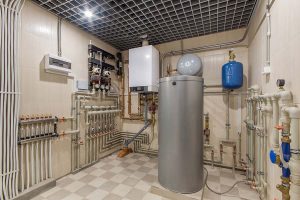
Maintaining Boiler Reliability Year-Round
Regular maintenance is essential for keeping your boiler in top shape, guaranteeing it operates safely and efficiently. Schedule annual inspections with a qualified technician to catch any potential issues before they escalate.
During these visits, professionals can clean components, check for leaks, and guarantee proper airflow, which enhances performance and energy efficiency.
You should also keep an eye on pressure gauges and listen for unusual noises during operation. If you notice anything out of the ordinary, don’t hesitate to reach out for help.
Additionally, consider investing in a maintenance plan with a trusted service like Titanium Plumbing & Heating. They offer expert solutions and can provide priority service, guaranteeing your boiler remains reliable year-round.
Regular maintenance not only prolongs the life of your system but can also save you money on costly repairs in the long run. Stay proactive, and you’ll enjoy a warm, comfortable home throughout the winter months.
Need fast boiler repair or expert advice? Contact our boiler specialists today to schedule emergency service, get expert advice, or book routine maintenance for your home in Dumont, NJ.